
Discover Your Favorite Baseball Memories





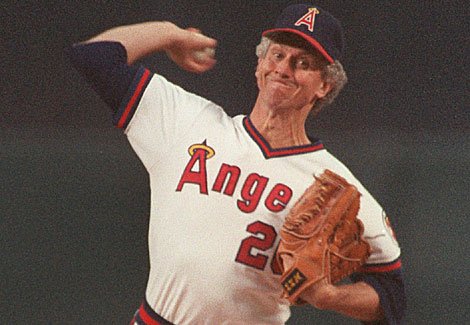
Don Sutton Notches his 3000 strikeout

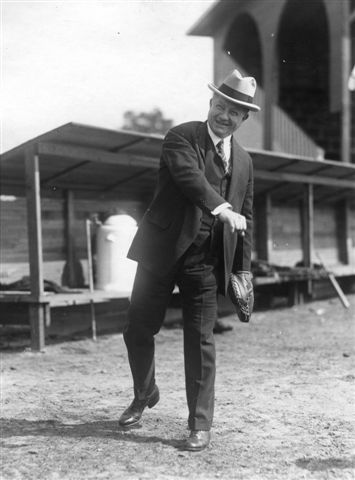
At Swampoodle Grounds in Washington, D.C., James Francis Galvin of the Pittsburgh Alleghenys becomes baseball’s first pitcher to record his 300th victory when he defeats the hometown Senators, 5-1. The 31 year-old ‘Pud,’ a workhorse who will win 20 games 10 of the 14 seasons he plays in the big leagues, will end his career with 361 victories.
Recommended


Trending News
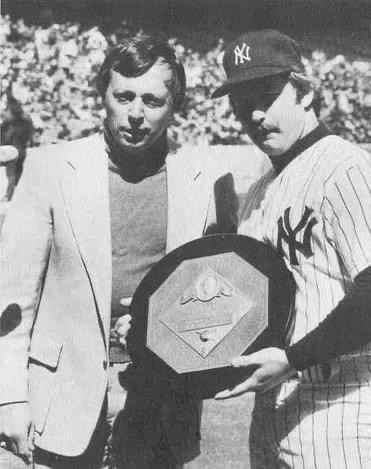
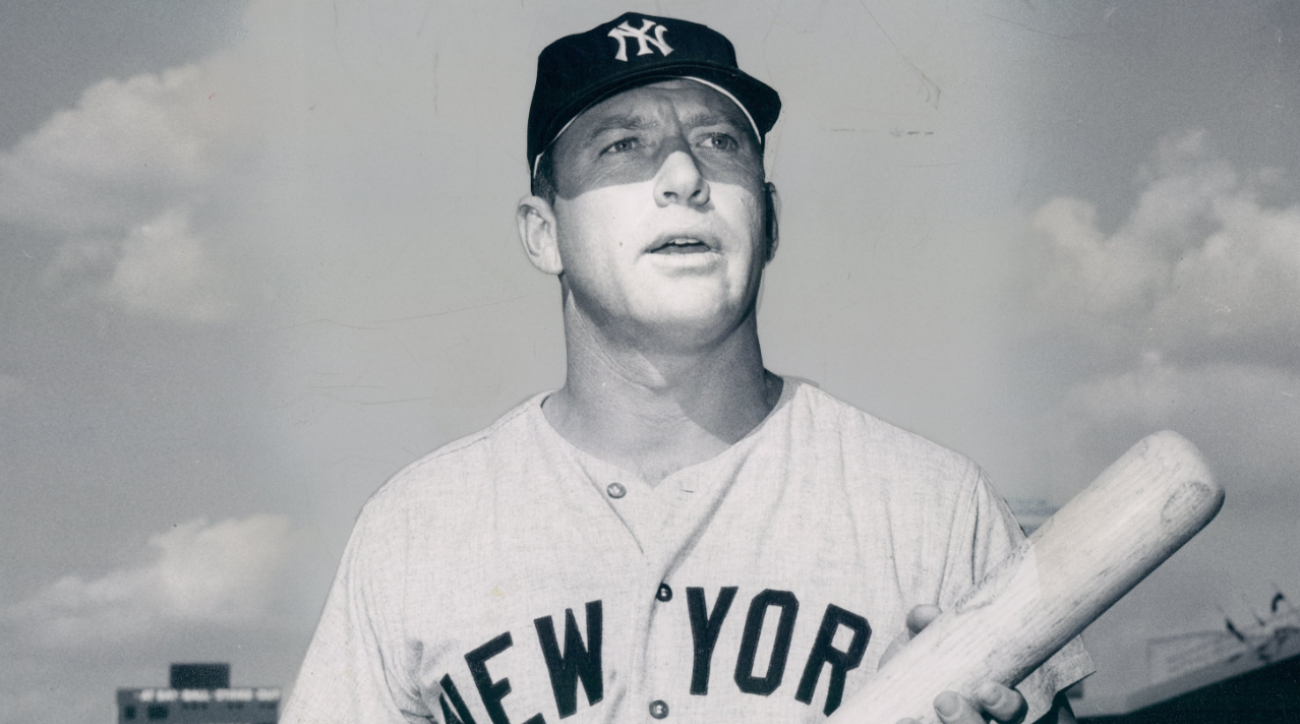
Thurman Munson wins the 1976 AL MVP
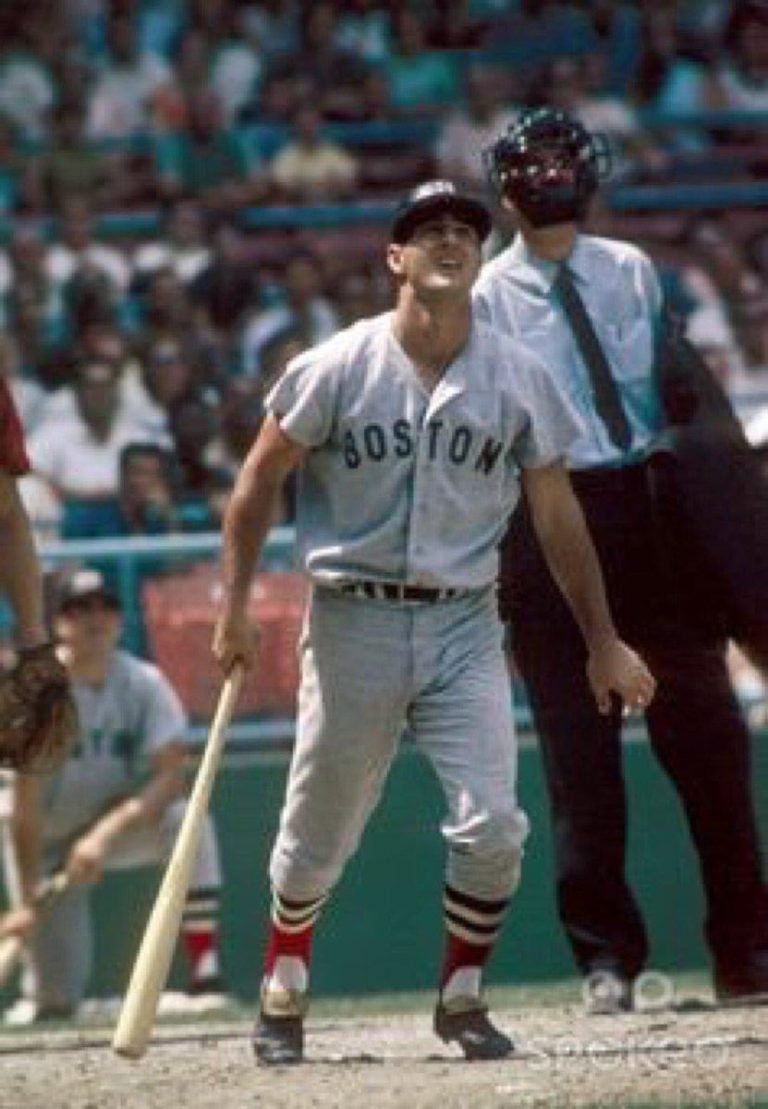
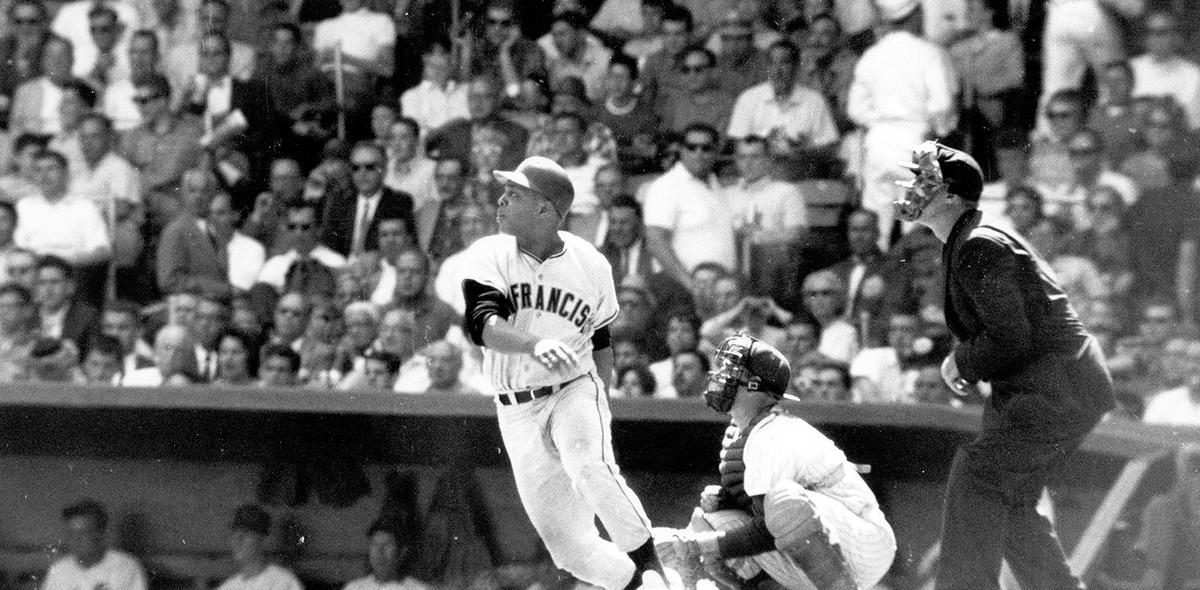
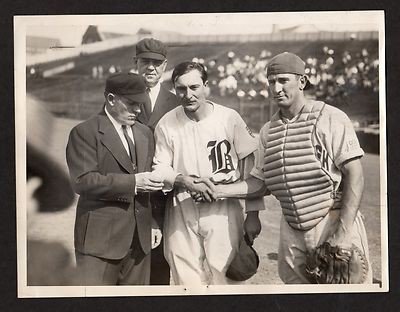
Triple Crown winner Carl Yastrzemski is selected by the BBWAA as the American League Most Valuable Player
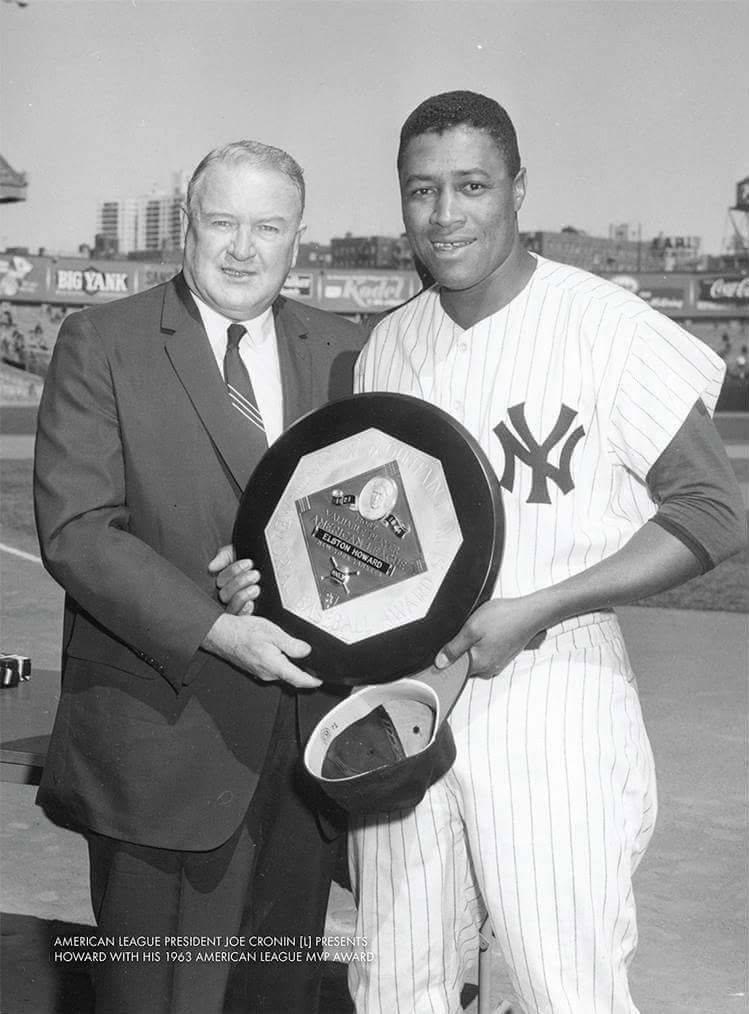
New York Yankees catcher Elston Howard becomes the first black player to win the American League MVP Award
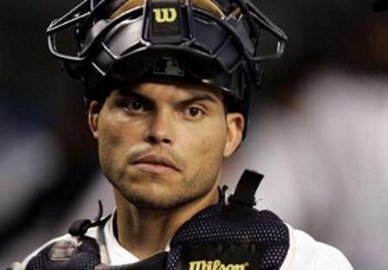
Texas Rangers catcher Ivan Rodriguez wins the American League MVP Award.
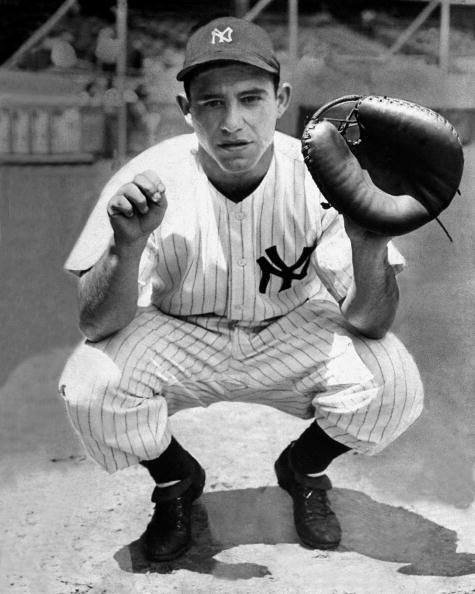
Yogi Berra wins his first of three MVP awards

American League batting champ Charlie Gehringer of the Detroit Tigers is named Most Valuable Player

Weekly Popular
Gallery

-
College Baseball Teams: A Complete List of Schools for Future Students
Navigating the vast landscape of college baseball can be as challenging as hitting a curveball. With hundreds of institutions offering baseball programs across various divisions, future students with dreams of diamond glory need a comprehensive guide to make their college selection process as smooth as a well-oiled glove. This article outlines the tiers of college…
-
6 Budgeting Strategies You Should Master Before Wagering On The MLB
Betting on Major League Baseball (MLB) can be an exhilarating way to enhance your viewing experience, deepen your connection with the sport, and potentially earn some extra cash. However, without a solid financial strategy, the thrill of the game can quickly turn into a source of stress. Mastering a set of budgeting strategies is crucial…
-
Unique Career Opportunities in Baseball
Unique Career Opportunities in Baseball Your passion for sports needs a direction that can lead to a secure professional career. Playing baseball for fun is fine, but when you need to make it a source of income for a stable future, you have to be extra careful about your selections. Careful consideration of top careers…
-
How to Capitalize on NBA Betting Upsets
How to Capitalize on NBA Betting Upsets Imagine sitting in front of your screen, analyzing the odds for the upcoming NBA games. Among the predictions, your eyes catch a glimpse of this weeks NBA predictions and something clicks. There’s an underdog there that might just have a chance. This scenario isn’t rare in the world of sports…
-
March 14 – Spring Training Game Live Stream Pittsburgh Pirates at Baltimore Orioles
March 14 – Spring Training Game Live Stream Pittsburgh Pirates at Baltimore Orioles – 7:05pm ET
-
4 Up-and-Coming Athletes Set to Dominate This Season
As the anticipation for the upcoming season builds, the spotlight shines on a select group of athletes poised for breakthrough performances. These players, previously celebrated as top prospects, have tasted success at the Major League level through brief flashes of brilliance or sustained periods of promise. Now, standing on the precipice of greatness, they…